
Winner of the 2025 Knox Medal for Separation Science
The Royal Society of Chemistry (RSC) Separation Science Interest Group is proud to celebrate Professor John Langley FRSC who is the recipient of the 2025 Knox Medal, the Group’s most prestigious honour, in recognition of his outstanding and sustained contributions to separation science.
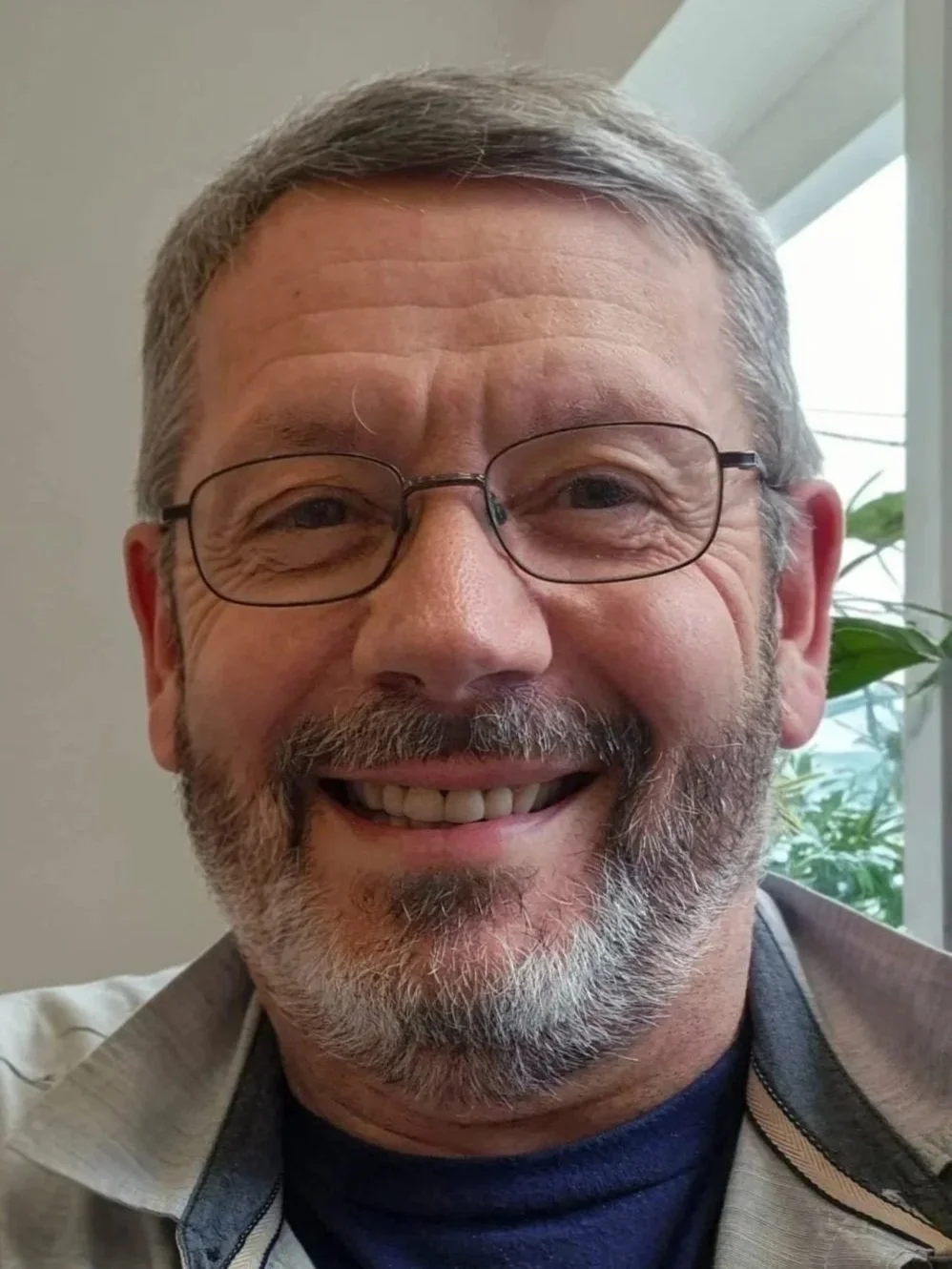
Professor John Langley FRSC
Recognition and Legacy
Professor Langley’s receipt of the Knox Medal celebrates not only his scientific excellence and innovation but also his leadership, mentorship, and advocacy for openness, inclusivity, and collaboration in science. His work has had a profound and lasting impact on the development, application, and communication of separation science globally.
The Knox Medal was established in 2008 in memory of Professor John H. Knox (1927–2018), a pioneer of reaction kinetics and chromatography. The award honours individuals whose careers have profoundly shaped separation science. Previous recipients include Professor Jim Jorgenson (2018), Professor Peter Myers (2017), Professor Keith Bartle (2015), Professor Peter Schoenmakers (2014), Professor Ian Wilson (2012), Professor Chang Kee Lim (2011), and Professor Pat Sandra (2019).
Through decades of research, leadership, and advocacy, Professor Langley has embodied the spirit of the Knox Medal in driving progress, inspiring others, and advancing the field of separation science worldwide.
We look forward to celebrating his achievements with you on the 14th November with a list of exciting speakers that can testify to working with John, as well as hearing from the man himself!
Emeritus Professor John Langley, who retired from the University of Southampton in 2024, is internationally recognised for his pioneering work across supercritical fluid, liquid, and gas chromatography and their integration with mass spectrometry. As Head of Characterisation and Analytics and previously head of the University’s chromatography–mass spectrometry facility, he established a thriving research environment focused on solving analytical and measurement challenges across the chemical sciences.
Achievements
-
John undertook his PhD with Professor Mike Baldwin and in partnership with the Wellcome Foundation, where he cut his teeth on LC-MS for the first time. His research since then has encompassed the application of advanced separation science techniques to fields such as petrochemicals, pharmaceuticals, and renewable fuels.
His work has been instrumental in developing and promoting hyphenated and multidimensional approaches including GC–MS, GC×GC–MS, HPLC–MS, SFC–MS, and LC×LC-MS. This is all evidenced in >100 publications in leading analytical peer-reviewed journals including Rapid Communications in Mass Spectrometry, Analyst, Journal of Chromatography A and Nature. Through leadership of the Characterisation and Analytics section in Chemistry at Southampton, he established a regional centre of excellence for two-dimensional chromatography with high-resolution mass spectrometry and as head of SCAS (Southampton Chemistry Analytical Solutions) he developed many links with industry.
A pioneer of open-access chromatography–mass spectrometry within the academic sector, Professor Langley has made advanced analytical tools more accessible to students and researchers, fostering innovation and inclusivity in measurement science. He is a Chartered Chemist (1999), a Fellow of the Royal Society of Chemistry (1999) and Chartered Scientist (2004).
-
During his distinguished career, Professor Langley has championed opportunities for early-career scientists through his own professional roles at the University of Southampton and in community-wide activities within and across professional bodies and networks. He supervised 26 PhD students, all of whom successfully completed their studies and went on to work in research roles across academia and industry. This is a testament to his mentorship, inspiration, and commitment to developing skilled, confident scientists. He continues to work closely with postgraduate researchers, nurturing expertise in data analytics, practical laboratory techniques, and scientific communication.
Through his teaching, lectures, and public engagement, Professor Langley has played a vital role in the education and promotion of separation science, inspiring early career researchers and championing diversity and inclusion within the scientific community.
-
Beyond his university work, Professor Langley has demonstrated exceptional leadership in the wider analytical science community. His service includes roles as Chair of the British Mass Spectrometry Society, Chair of the RSC Separation Science Group, and President of the International Mass Spectrometry Foundation (2018–2022).
He is a member of the EPSRC Peer Review College; a member of the Editorial Board for Rapid Communications in Mass Spectrometry; and was the European Member of IUPAC Task Group for Standard Definitions of Terms Relating to Mass Spectrometry.
He co-founded and chaired the scientific organising committee for the Solutions in Science (SinS) conference, most recently held in Brighton, UK in 2025. This event united multiple analytical science communities under one roof to share, collaborate and communicate analytical solutions to complex problems across academia, industry, government and the general public.